John 8:31-36, Romans 3:19-28
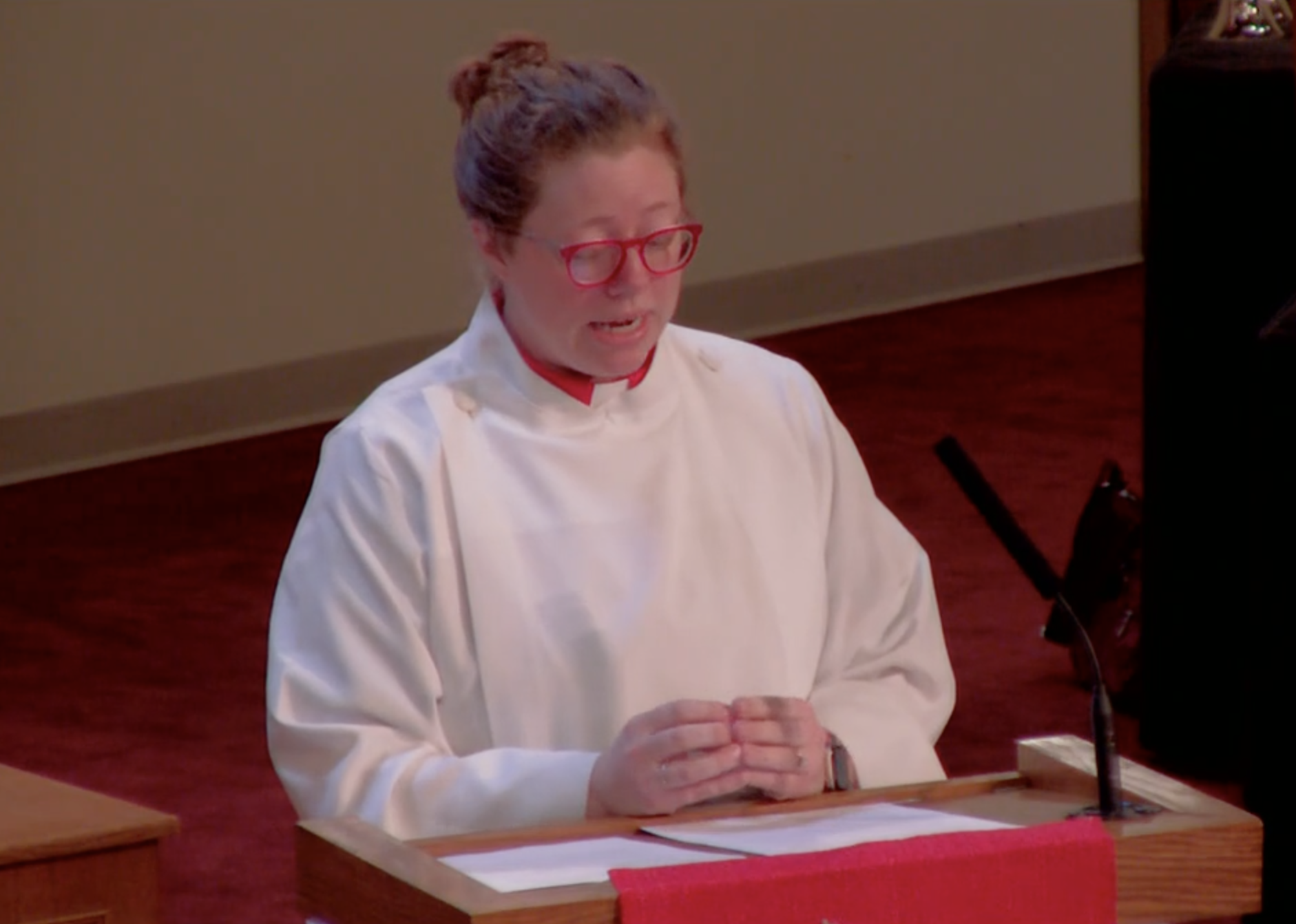
This is a sermon I preached for Reformation Sunday on October 25th, 2026 at Peace Lutheran Church in Coon Rapids.
Please join me in prayer: Gracious God, you know how often we strive to earn what you freely give. Open our hearts to your Word, remind us of the freedom we have in Christ, and strengthen us to live in the grace we have received. May your gospel comfort us and lead us to love our neighbors. In Jesus’ name, Amen.
We live in a world that teaches us to work for what we receive. We work for our paychecks, practice to improve our athletic skills, and put effort into the relationships we want to deepen. We expect to get out what we put in. And we tend to carry that same mindset into our relationship with God. We feel closer to God when we pray, serve, or make good choices. When we fail, we wonder if we’ve disappointed God or become less deserving of God’s love. Sometimes, we treat faith as another way to prove ourselves. But Reformation Sunday reminds us the gospel challenges this way of thinking. What if the most important thing about our relationship with God is not what we have done, but what God has done for us?
In our reading from Romans, Paul writes, “All have sinned and fall short of the glory of God,” and that we are “justified by his grace as a gift.” Paul reminds us that we cannot make ourselves righteous before God through our own efforts. No one can stand before God claiming to have earned righteousness.
The law reveals our sin and shows us where we fall short, but identifying a problem is not the same as fixing it. If my roof has a leak, putting a bucket in the hallway might catch the water, but it doesn’t fix the roof. Eventually, I have to address the problem itself. In the same way, we can try harder, do more good deeds, and follow more rules, but none of these things can undo our sin or earn us God’s grace. The uncomfortable truth is that we cannot fix this problem on our own.
Martin Luther knew what it was like to try to earn God’s favor. Even as a devoted monk, he struggled with whether he had done enough to stand righteous before God. His study of Paul’s letter to the Romans changed his understanding: righteousness was not a standard he had to meet, but a gift God graciously gives through faith in Jesus Christ.
We keep trying to turn God’s grace into something we can earn, as though a gift becomes more valuable when we’ve worked hard enough to deserve it. But the moment we earn it, it’s no longer a gift. Paul tells us we cannot make ourselves righteous. Jesus takes that one step further: we cannot make ourselves free, either.
Sin is not just a list of bad things we do. It is a power that holds us captive, and Christ alone can set us free.
In our Gospel, Jesus speaks to people who believe they are already free. Their response reveals how difficult it can be to recognize our own bondage. Jesus’ conversation partners reject the idea that they are enslaved, despite their people’s history of slavery and exile and their present reality under Roman occupation.
We often think of freedom as independence: doing whatever we want without answering to anyone. But Jesus describes a deeper bondage. Sin traps us in patterns we cannot escape on our own. We hurt others and struggle to change. We carry shame and try to prove we are better than our failures. We cling to resentment, fear, or the need to be right. Even when we recognize what is wrong, we cannot always make ourselves whole.
This is not about labeling people or suggesting every struggle is a personal moral failure. Sin damages our relationships with God, ourselves, our neighbors, and the world. As theologian N.T. Wright emphasizes, the gospel promises freedom in this life, not just hope for life after death.
Romans explains why we need grace. John promises that Christ gives the freedom we cannot manufacture. Together, these readings bring us to the heart of the Reformation.
The Reformation was not primarily about making the church better at religious instruction. It was about recovering the good news that salvation is God’s gift. In Luther’s time, religious practices and acts of penance could make salvation seem like something people had to earn. The sale of indulgences, which were understood to reduce punishment for sin, added to the impression that spiritual benefits could be obtained through payment.
The temptation to put our hope in something other than God’s grace has not disappeared. We place our trust in religious institutions, political movements, scientific advancements, personal morality, or our own accomplishments. These things may have a place in our lives, but none can do what Christ does. The church cannot save us. Our traditions cannot save us. Even our efforts to reform the church cannot save us. Only Jesus can save us.
Luther’s promotion of justification by grace through faith challenged uplifts this truth. We are not made right with God because we have prayed enough, served enough, given enough, or lived perfectly enough. We are made right with God because of what Jesus Christ has done for us.
The church must always be reforming, not because the gospel changes, but because we keep losing sight of its truth. The question for Reformation Sunday is not simply whether we are preserving the right traditions, but whether we are keeping Christ and the good news of grace at the center.
But if grace is a gift, does that mean what we do doesn’t matter?
Not at all. We are not saved by our good works, but we are freed for lives of love and service. Grace comforts us by reminding us that we do not have to earn God’s love, and it challenges us because that love changes how we live.
When we no longer have to prove ourselves to God, we are free to admit when we are wrong, confess our sins, receive forgiveness, and work to repair the harm we have caused. We can serve our neighbors without treating service as payment for salvation.
Luther taught that faith frees us from the need to earn God’s favor so that we can turn outward in love for our neighbors. The question changes from What must I do to make God love me? to How can I love my neighbor because God already loves me?
Our neighbors need our compassion, honesty, generosity, and our willingness to work for a world where people are treated with dignity. They need people ready to acknowledge wrongdoing rather than defend themselves at all costs, and people who act with hope rather than fear. We do these things not to earn God’s love, but because we have already received it. God does not need our good works to love us, but our neighbors need them. That is part of what God has freed us to do.
We spend so much of our lives trying to prove we are enough. Romans reminds us that we cannot justify ourselves. John reminds us that we cannot free ourselves. But God does not leave us to accomplish either task alone. In Christ, we are justified by grace and set free by the Son.
On this Reformation Sunday, our hope does not rest in our own goodness, the perfection of our church, or the strength of our convictions. Our hope rests in Jesus Christ. We cannot earn God’s grace or free ourselves from sin, but Christ gives us what we cannot achieve for ourselves.
And that changes everything. We are freed from the exhausting task of proving ourselves to God. We are freed to confess, receive forgiveness, begin again, and love our neighbors without keeping score.
The good news of the Reformation is not that we have figured out how to save ourselves. It is that, in Christ, God has done for us what we could never do for ourselves.
We don’t have to earn the gift. We get to live in it.