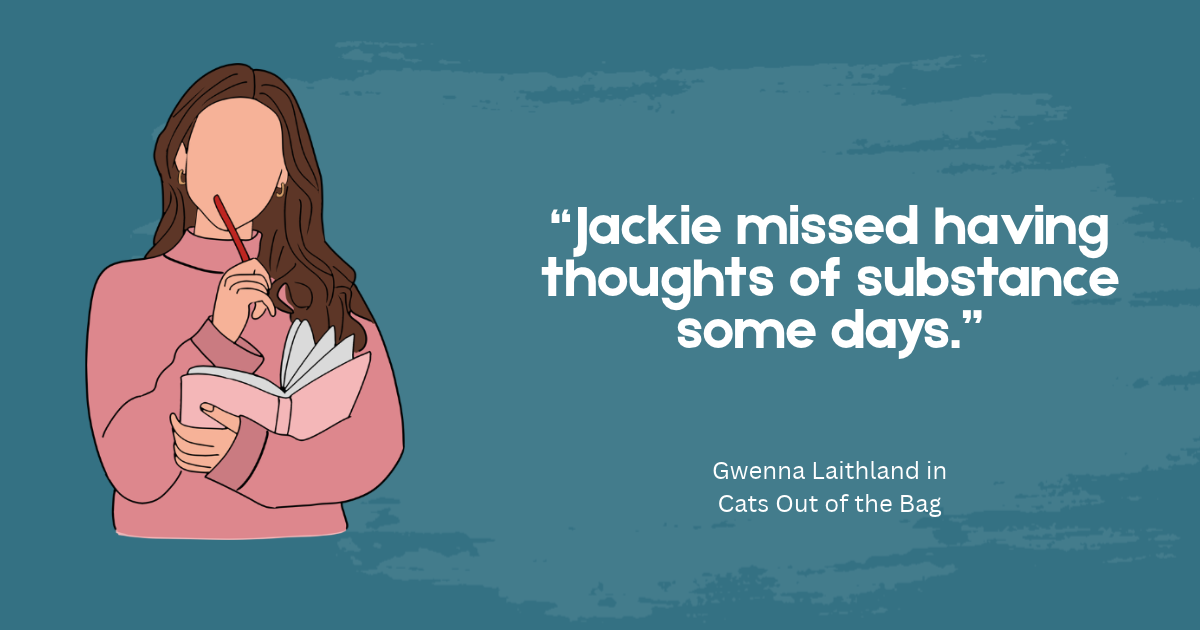
Yes, another book-quote-inspired blog post this week. Which actually reminds me of something else.
First, as I was writing the other day, I thought of something one of my preaching professors told us. While the exact quote escapes me, the general idea was that, as pastors, we should always keep reading. And not just books related to professional development or theology, but also the things that interest us. And if someone isn't really a book person, then TV or movies. The reason is that the stories we read, watch, and hear are excellent material for relating to life. It's not just about finding source material for sermons, but also about how we interact with our congregants and participate in our communities. Stories are a huge part of human culture, and we should never stop engaging with them.
Wow. That's already more profound than what I had planned to write about today.
My initial thought for today's blog was inspired by the quote above. In the book, one of the characters is lamenting all the things she does to keep her house and family running that seem to go unrecognized or underappreciated. As she's mentally making a list of the tasks ahead of her for the upcoming week, she has this thought about "thoughts of substance."
Immediately, that hit me right in the heart.
Since completing my internship in June and transitioning to being a mostly stay-at-home mom and caregiver while I wait for a call, I've found myself missing the kinds of thoughts I used to have. The conversations I used to get to engage in. Even during my internship, my brain wasn't being challenged to think about new things in quite the same way it was when I was actively taking classes.
Don't get me wrong. I know that what I'm doing now is important. Raising children is meaningful work. Caring for my family is meaningful work. But meaningful work and intellectually stimulating work aren't necessarily the same thing. And I think I've been missing the latter.
I also saw a post on Threads the other day that said something along the lines of, "After researching yet another hobby I could do, I realized that research is the hobby." I feel that. For me, learning is the hobby. I love learning new things.
In middle school, one of my best friend's older sisters called me a "walking encyclopedia." In my mid-20s, when I was working as an administrative assistant in a mental health clinic, someone told me that having a conversation with me was like talking to Google because I was always seeking answers.
If I wonder about something, I look it up! If someone asks me a question and I don't know the answer, I make an effort to find it.
(Side note: Maybe this is why Jimmy's incessant questions can be so difficult for me. Because I don't have the answers to "Why is that man's truck blue? What is that lady drinking from her cup? What's that dog's name? Where are those people walking?" And I can't very well pull over and roll down my window to get those answers.)
But the answers to Jimmy's questions aren't quite the thoughts of substance that I find myself yearning for. It's not that I don't enjoy learning little things throughout the day. It's that I miss having the time and space to wrestle with bigger questions. There's a difference between looking up an answer and sitting with an idea, turning it over, considering different perspectives, and wondering what it might mean.
I want to think about what the church can do to be more accessible. What kinds of partnerships could I create between the church community and its neighbors? How can we best support our teenagers? I want to have conversations about the ways people experience the world, the challenges our communities face, and the possibilities for making things better.
And I do get to think about these things. In fact, maybe that's part of why I wanted to take on this writing challenge in the first place. I wanted to push myself to think, to stretch my writing muscles, and to make space for ideas that might otherwise get lost in the busyness of everyday life.
I don't know that I have a solution to this particular problem. I also know that my children won't be little forever, and that this season of life, with all its questions, interruptions, and demands, is temporary. I don't want to overlook the meaningful work happening right in front of me while wishing for something different. But I also don't want to lose the part of myself that is curious about the world. The part that wants to learn, question, challenge, and wrestle with ideas.
Maybe that's what my preaching professor was getting at. The stories we encounter, the things we learn, and the conversations we have all help shape how we understand the world and relate to the people around us. And maybe making room for those things isn't just good for my future ministry; it's good for me, too.
I don't need to have all the answers. I just want to keep asking questions. And maybe, every once in a while, have a thought or two of substance.